W skrócie
Kategoria ścian wideo po cichu przestała w 2025 dotyczyć ekranów. Bieżące ruchy produktowe — Userful Infinity EdgeAI (ogłoszone z Microsoftem i NVIDIA pod koniec 2025), platforma Cortex firmy Visiology na rynku rosyjskim oraz cicha, lecz przyspieszająca lista wewnętrznych projektów Hiperwall, VuWall i Polywall — przedefiniowują ścianę jako warstwę inferencji, która przy okazji steruje wyświetlaczami. Pytaniem produktowym nie jest już „ile źródeł potrafi wyrenderować”, lecz „co ściana faktycznie zauważa dla operatora”. Ten artykuł przedstawia, co ściany wspomagane AI dostarczają dzisiaj, jaka architektura działa pod spodem, dlaczego inferencja on-premise jest jedyną ścieżką przechodzącą przegląd zgodności oraz gdzie większość tych wdrożeń faktycznie zawodzi w produkcji.
Co naprawdę oznacza „wspomaganie AI” na ścianie
Po odjęciu języka marketingu pozostają cztery konkretne funkcje, które obejmuje ten termin. Wszystko inne to albo jedna z tych czterech pod inną etykietą, albo obietnica z planu rozwoju, która nie została dostarczona.
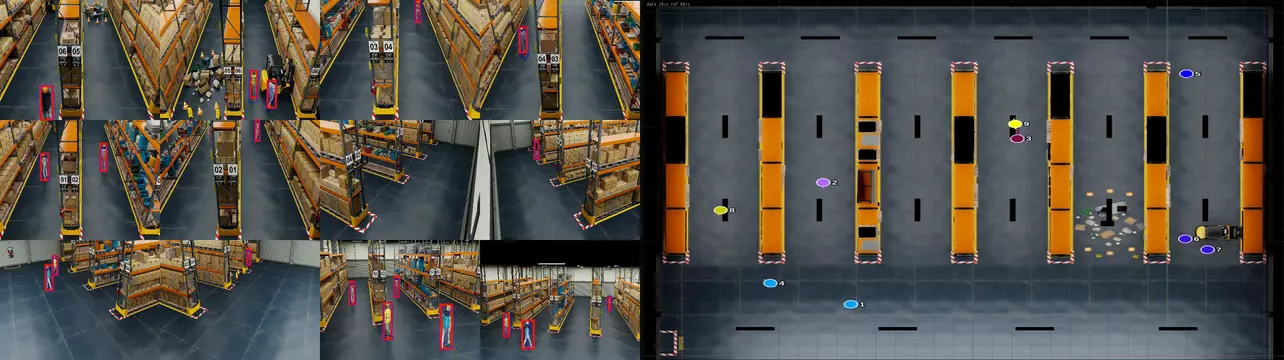
- Detekcja anomalii na strumieniach na żywo. Model — zwykle coś z rodziny YOLO v8 / v9 do detekcji obiektów lub mniejszy detektor anomalii szeregów czasowych dla źródeł typu dashboard — działa na każdym przyjmowanym strumieniu i emituje wynik pewności. Kontroler ściany subskrybuje te wyniki i może reagować, gdy przekroczą próg. Powszechne w węzłach transportowych, ochronie obwodowej oraz dashboardach SCADA w energetyce.
- Promocja źródła (przełączanie automatycznego układu). Gdy zadziała detekcja, odpowiadający jej kafelek powiększa się, przesuwa do centralnego obszaru ściany i pozostaje tam, dopóki operator nie potwierdzi lub detekcja nie wygaśnie. Silnik układu musi obsługiwać zarówno miękkie przejścia (animowane przypięcie / powiększenie), jak i twarde cięcia (natychmiastowa reorganizacja) — operatorzy reagują na każde z nich inaczej.
- Zliczanie obiektów i metryki czasu przebywania. Liczba twarzy dla pomieszczeń o dużym zagęszczeniu osób, liczba pojazdów / tablic rejestracyjnych dla ruchu drogowego, długość kolejki dla handlu detalicznego. Wynikiem jest zwykle liczba nałożona na kafelek źródła lub przekazana do sąsiedniego dashboardu renderowanego przez tę samą ścianę.
- Korelacja między źródłami. Najnowszy poziom: podaj kilka źródeł do jednego potoku inferencji i emituj pojedynczy „wynik sytuacji”, który steruje układem ściany. Userful Infinity EdgeAI demonstruje to, łącząc Splunk Enterprise Security + strumień VMS + źródło telemetrii zarządzania budynkiem w jeden panel. Dojrzałość uczciwie przyznaje, że to wczesny etap — większość rzeczywistych wdrożeń pozostaje w 2026 przy detekcji anomalii z pojedynczego źródła.
Aktualne wzorce odniesienia w kategorii
Trzy produkty wyznaczają poprzeczkę kategorii w 2026, każdy z innym zakładem.
Userful Infinity EdgeAI jest najbardziej widoczny. Ogłoszony wspólnie z Microsoftem (Azure IoT Edge do wdrażania modeli) i NVIDIA (partnerstwo Inception, zoptymalizowana inferencja na architekturze Blackwell), trafił do pierwszych klientów pod koniec 2025. Pozycjonowanie to „platforma świadomości operacyjnej” — Userful celowo odsuwa produkt od ramy „oprogramowanie ścian wideo” w stronę kategorii o wyższej marży. Integracje obejmują Splunk Enterprise Security, Genetec Security Center, Microsoft Sentinel, Everbridge CEM. Cennik opiera się na tym samym modelu Enterprise Subscription, którego używa reszta oferty Userful; klienci podają ≈ 500 $ za wyświetlacz rocznie za warstwę platformy, przy czym dodatek EdgeAI stanowi osobną pozycję.
Visiology Cortex to rosyjski odpowiednik, zbudowany jako część szerszej platformy analitycznej Visiology. Zakład jest inny: zamiast współpracować z hiperskalerami, Visiology włącza stos inferencji do tej samej instalacji on-premise co reszta platformy. Pasuje to do rosyjskiego środowiska zgodności (FZ-152, reguły infrastruktury krytycznej FZ-187), lecz ogranicza menu modeli — dostarczane jest to, co Visiology zwalidowało, a nie to, co można wrzucić z Hugging Face.
Hiperwall, VuWall, Polywall należą do tej samej rozmowy, lecz z węższym obecnym zakresem dostaw. Wydanie Hiperwall 2026 R1 dodało „czat operatora on-premise” (wewnętrzne narzędzie współpracy, a nie samą inferencję) oraz szersze wsparcie GPU Intel. VuWall i Polywall odwołują się do integracji AI poprzez swoje świadome NMOS stosy TRx / Polywall. Żaden z nich nie ma głębi, jaką obecnie deklaruje marketing EdgeAI firmy Userful; czy ta luka utrzyma się przez 2027, to rzeczywiste pytanie kategorii.
Architektura pod spodem
Po odjęciu warstw marek stos uruchomieniowy zbiega się do trzech elementów.
- Model. YOLO v8 i v9 (Ultralytics) są domyślnym wyborem do detekcji obiektów — osiągają użyteczny punkt dokładność / opóźnienie na popularnych GPU NVIDIA, a licencja (AGPL-3.0) jest akceptowalna dla typowego wdrożenia kontrolera ściany. Dla bardziej wyspecjalizowanych zastosowań — liczba twarzy, rozpoznawanie tablic, wykrywanie broni — model otrzymuje wyspecjalizowane głowice, lecz struktura inferencji pozostaje podobna.
- Środowisko uruchomieniowe. ONNX Runtime jest lingua franca: producenci eksportują swój model PyTorch / TensorFlow do formatu ONNX, a następnie uruchamiają inferencję przez to niezależne od frameworka środowisko. Dwa backendy istotne dla sprzętu ściany: NVIDIA TensorRT dla GPU klasy RTX (≈ 3-5× przyspieszenie wobec zwykłego ONNX Runtime) oraz Intel OpenVINO dla zintegrowanych Iris Xe i dedykowanych GPU Arc. Oba backendy przyjmują ten sam plik ONNX, więc produkcyjna zmiana modelu z NVIDIA na Intel to decyzja na etapie wdrożenia, a nie ponowne uczenie.
- Orkiestracja. Microsoft Azure IoT Edge to obecny domyślny wybór dla „wdróż ten kontener z tym modelem na ten kontroler ściany z centralnego miejsca”. Dla wdrożeń on-premise bez zewnętrznego orkiestratora Kubernetes (k3s na hoście ściany) pokrywa ten sam obszar większym nakładem konfiguracji. Wzorzec polega na konteneryzacji każdego modelu i pozostawieniu orkiestratorowi przypinania kontenerów do dostępnych GPU.
Dobór sprzętu opiera się na zgrubnej regule praktycznej, która sprawdza się w większości opublikowanych wdrożeń: pojedynczy GPU klasy RTX A4000 udźwignie detekcję klasy YOLO na 8 do 12 jednoczesnych strumieniach 1080p, przy czym obok wciąż mieści się obciążenie renderowaniem ściany. RTX A5000 / A6000 mniej więcej to podwaja. Powyżej ~20 strumieni obciążenie AI zaczyna konkurować z pracą GPU kompozytora, a właściwą architekturą jest osobny węzeł inferencji obok kontrolera ściany, który zwraca wyniki przez magistralę komunikatów zamiast działać na tym samym GPU.
Wymóg on-premise nie podlega negocjacji
Każde poważne zamówienie na ścianę z AI dochodzi do tej samej twardej granicy: wideo na żywo nie może opuścić obiektu. Wymuszają to trzy ramy regulacyjne.
- RODO (UE). Kamery rejestrujące możliwe do zidentyfikowania osoby wytwarzają dane osobowe w rozumieniu art. 4 ust. 1. Wysłanie tych danych do chmurowego punktu inferencji w kraju trzecim wymaga zabezpieczeń klasy Schrems II, których większość obiektów nie posiada. Czystą odpowiedzią jest „inferencja działa on-premise, a chmura — jeśli w ogóle — widzi wyłącznie metadane”.
- FZ-152 i FZ-187 (Rosja). Odpowiednio reguły lokalizacji danych osobowych oraz infrastruktury krytycznej. Rosyjscy klienci państwowi i większość obiektów energetycznych / transportowych muszą prowadzić inferencję w kraju, często na miejscu. Zakład Visiology na wbudowaną inferencję on-premise jest zbudowany właśnie pod to ograniczenie.
- FedRAMP / DoD IL5+ (administracja federalna USA). Chmurowe AI dla obiektów niejawnych to zgoda, której zespół zakupowy rzadko uzyskuje. Domyślnym oczekiwaniem jest inferencja on-premise z wdrożeniem modelu odizolowanym w NIPRNet.
Wniosek architektoniczny: część AI ściany wspomaganej AI nie jest funkcją chmurową, którą doczepia się kluczem API. To plik modelu dostarczony do kontrolera ściany i środowisko uruchomieniowe stojące obok kompozytora. Producenci, którzy ukrywają inferencję chmurową za efektownym demo, tracą sprzedaż na etapie zgodności.
Gdzie te wdrożenia naprawdę się załamują
Model rzadko bywa punktem awarii. Są nim trzy problemy operacyjne. Każdy, kto przepozycjonowuje dostawcę na firmę od ścian AI, potrzebuje odpowiedzi na każdy z nich.
- Fałszywe alarmy podkopują zaufanie operatora szybciej, niż poprawia się model. Ściana, która trzy razy na zmianę wypromuje do centrum niewłaściwy kafelek, zostaje zignorowana przy czwartej promocji — tej prawdziwej. Standardowym środkiem zaradczym są dwa progi: próg „pokaż mały wskaźnik na kafelku” oraz osobny, wyższy próg dla faktycznego naruszenia układu. Produkt musi dać operatorowi jasny sposób regulacji obu.
- Dryf modelu jest cichy, dopóki nie przestaje być. Licznik osób dostrojony na letnich danych treningowych zaczyna do listopada zaniżać liczbę przy grubych zimowych płaszczach. Detektor pojazdów dostrojony na europejskich tablicach degraduje się na Bliskim Wschodzie. Produkt potrzebuje warstwy monitorowania — wskaźnik fałszywych alarmów w czasie, liczba ręcznych nadpisań — która daje integratorowi sposób na zauważenie dryfu, zanim zrobi to klient.
- Ślad audytowy dla promowanych kafelków nie podlega negocjacji u nabywców regulowanych. Gdy ściana wypromowała Kamerę 17 do centrum na 42 sekundy o 14:03:17, jaki był wynik, która wersja modelu go wytworzyła, jakie potwierdzenie operatora po tym nastąpiło? Większość audytorów zgodności chce, by dało się to odpowiedzieć. Producenci, którzy mają odpowiedź, dostarczają do obiektów regulowanych; ci, którzy jej nie mają, pozostają w korporacyjnym AV.
Gdzie sytuuje się Craft Wall
Craft Wall jest dziś kompozytorem, a nie stosem inferencji. Model wdrożenia to ten sam serwer on-premise z systemem Linux, na którym działa reszta produktu, więc obciążenie ONNX Runtime obok kompozytora opartego na Vulkanie jest architektonicznie czyste — ten sam GPU obsługuje oba obciążenia, gdy pozwala na to liczba strumieni, a skalowanie w poziomie oznacza dodanie węzła inferencji obok kontrolera ściany, przy czym kompozytor subskrybuje wyniki. Prace nad slotem ONNX oraz API układu sterowanego wynikami są w planie rozwoju, a nie w obecnie dostarczanych wersjach; wzmianka o produkcie jest tu uczciwa, a nie aspiracyjna. Dla zamówień, które potrzebują AI dzisiaj, właściwą drogą jest Userful lub Visiology w zależności od jurysdykcji; Craft Wall pozostaje w rozmowie 2026-2027 jako opcja on-premise, niezależna od sprzętu, gdy tylko pojawi się ścieżka ONNX.
Uczciwe podsumowanie
Ściany wideo wspomagane AI nie są jeszcze kategorią produktową — to wzorzec wdrożenia, który jeden dostawca (Userful) obecnie najlepiej artykułuje, a drugi (Visiology) najlepiej dostarcza w obrębie jednego reżimu regulacyjnego. Większość pozostałych producentów dojdzie do tego w latach 2026-2027. Pytaniem nabywcy nie jest „który dostawca ścian AI jest najlepszy”, lecz „który przypadek użycia faktycznie uzasadnia inferencję na ścianie i czy nasza infrastruktura już ją wspiera”. Detekcja anomalii na obwodzie z 12 kamerami to czyste dopasowanie. Korelacja między źródłami obejmująca SIEM + VMS + BMS to demo marketingowe, którego większość obiektów nie uruchomi przez kolejne dwa lata.
Czytaj dalej: Edge AI dla ścian wideo — hasło glosariusza, IPMX vs ST 2110 vs SDVoE dla kwestii transportu pod spodem, oraz porównanie Craft Wall vs Userful pokazujące, jak element AI wpisuje się w ocenę konkurencyjną.